Cold & Hot Weather Traveling Tips
COLD WEATHER
Preparing for travel to a very cold climate involves several essential steps to ensure your comfort, safety, and enjoyment. Here is a comprehensive guide to help you plan:
Research Destination: Begin by researching your destination thoroughly. Understand the typical weather conditions, temperature ranges, and any specific challenges associated with the climate.
Pack Appropriate Clothing: Select Clothing Suitable for cold temperatures, including insulated jackets, thermal layers, hats, gloves, scarves, and sturdy waterproof boots. Pack extra layers to add or remove as needed.
Protecting Gear: Consider additional protective gear such as sunglasses, sunscreen (for snow glare), and lip balm with SPF to shield yourself from harsh elements.
Medical Preparations: Consult your doctor if you have any medical conditions that could be affected by cold weather. Ensure you have an adequate supply of any necessary medications. Pack and maintain a decent first aid kit.
Stay Hydrated: Cold climates can be dehydrating, so remember to drink plenty of fluids. Pack a reusable water bottle and consider brining hydration packs for outdoor activities.
Plan Transportation: Check for any travel advisories or road closures due to winter weather conditions. If driving, ensure your vehicle is equipped with snow tires or chains, and pack an emergency kit with essentials like blankets, water, and non-perishable snacks. Make sure your windshield wiper fluid & blades are adequate for sub-zero weather. Consider purchasing a snow brush and ice scraper.
Outdoor Activities: If planning outdoor activities such as skiing, snowboarding, or hiking, research local guidelines and safety tips. Consider renting equipment at your destination to minimize items you need to pack.
Stay Informed: Keep an eye on weather forecasts and be prepared to adjust your plans accordingly. Stay informed about local conditions and any potential hazards.
Cultural Considerations: Be mindful of local customs and etiquette, especially regarding attire and behavior in cold weather.
Travel insurance: Consider purchasing travel insurance that covers medical emergencies, trip cancellations, and delays, particularly in remote or harsh environments.
PERSONAL RECOMMENDATION:
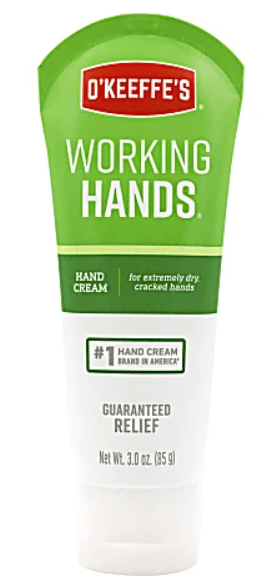
Hand care: Lots of handwashing in the harsh cold can leave your hands literally cracked and bleeding. Highly recommend Working Man Hands to replace lost moisture and heal broken and split skin.
Hot Weather
Research Destination: Start by researching your destination’s climate and weather patterns. Understand the typical temperatures, humidity levels, and any specific challenges associated with hot weather.
Pack Lightweight Clothing: Choose lightweight, breathable clothing made from natural fabrics like cotton or linen. Opt for light colors that reflect sunlight and help keep you cool. Don’t forget to pack a wide-brimmed hat, sunglasses, and sunscreen with a high SPF.
Stay Hydrated: Hot climates can lead to dehydration, so it’s crucial to drink plenty of water. Carry a reusable water bottle with you and drink fluids regularly, even if you don’t feel thirsty. Avoid excessive alcohol and caffeine consumption, as they can contribute to dehydration.
Protective Gear: Use sunscreen generously to protect your skin from sunburn and harmful UV rays. Reapply sunscreen every few hours, especially after swimming or sweating. Consider using a sunshade or umbrella for additional sun protection.
Plan Outdoor Activities Carefully: If engaging in outdoor activities, plan them for cooler times of the day, such as early morning or late afternoon. Take frequent breaks in shaded areas and avoid strenuous activities during the hottest hours.
Stay Cool: Seek out air-conditioned spaces whenever possible, especially during the hottest parts of the day. If your accommodations don’t have air conditioning, consider booking lodging with access to pools or other cooling amenities. Consider purchasing a fan.
Protect Against Heat-Related Illnesses: Brush up on the symptoms the signs of heat exhaustion and heatstroke, including symptoms like dizziness, nausea, rapid heartbeat, and confusion, and watch for these symptoms in yourself. Take immediate action if you exhibit these symptoms, such as moving to a cooler area and hydrating.
Adjust Your Schedule: Be flexible with your itinerary and willing to adapt to the weather conditions. Consider indoor attractions or activities during the hottest times of the day and save outdoor exploration for cooler hours.
Stay Informed: Stay updated on weather forecasts and any heat advisories or warnings issued for your destination. Be prepared to modify your plans or seek shelter if extreme heat is forecasted.
Respect Local Customs: Familiarize yourself with local customs regarding clothing, behavior, and outdoor activities. Respect cultural norms regarding modesty and dress appropriately, especially in conservative regions.
Stay Connected: Keep in touch with friends or family back home and let them know your travel plans, especially if you’re exploring remote areas. Carry a fully charged phone and consider investing in a portable charger.
Travel Insurance: Consider purchasing travel insurance that covers medical emergencies, particularly in hot climates where heat-related illnesses are a risk.
 Old Travel Nurse